Samuel Francis Smith
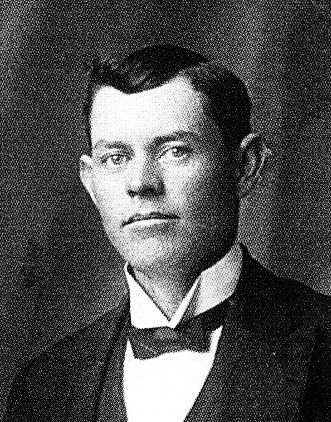
Samuel Francis Smith.
Reverend Samuel Francis Smith, born October 21, 1808, was an American Baptist minister, journalist, and author best known for having written the lyrics to the hymn “America,” known popularly as "My Country 'Tis of Thee.”
Reverend Smith was minister of First Baptist Church in Newton from 1842 to 1854.
He wrote “America” for American school children to recite at school. The tune was taken from a song he had heard while writing the lyrics, the melody of the German and British anthem “God Save the King”.
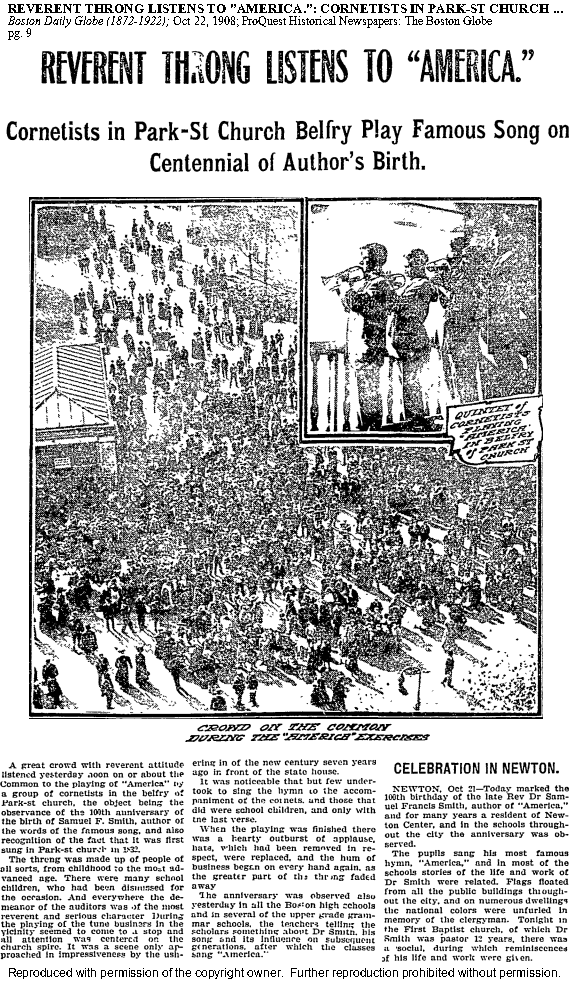
The hymn was first sung at a children's celebration in the Park Street Church, Boston on July 4, 1832.
A native of Boston, the future pastor attended Eliot School in Boston, where he won the prestigious Franklin Medal in 1825 — this medal established by a bequest of Boston public schools alum Benjamin Franklin. This medal, a “reward of merit,” was awarded to the “best boys of each school” by the Boston School Committee.
Upon graduation Smith attended Harvard College, and then entered the Andover Theological Seminary in 1832. It was reported he learned four languages beyond those that were required for his coursework.
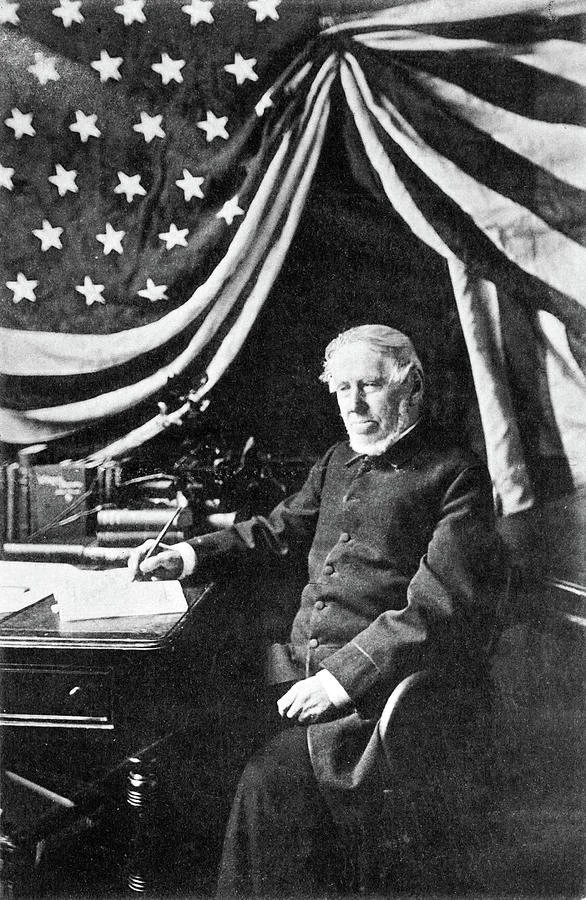
Reverend Smith wrote a history of Newton, more than 150 hymns and a compiled a Baptist hymnal but only one work is world-famous.
In 1832 he met Lowell Mason, a music director who became a leading figure in 19th-century American church music. Mason gave the future pastor a stack of German music books, which included the music to “Heil dir im Siegerkranz.” Where in England this tune became “God Save the King” Smith wrote the patriotic lines “My Country, ‘Tis of Thee” in the song that became “America.”
Finally as Reverend Smith, he was ordained to the ministry of the Baptist church at Waterville, Maine, in 1834, and served as professor at Waterville, now Colby College.
Returning to Boston in 1842 he edited the Christian Review was pastor of the First Baptist Church and for fifteen years Editorial Secretary of the Missionary Union. He left his post at FBCN in 1854.
In retirement he visited a number of Baptist missions in Europe and Asia with his wife. It was reported that by the time of his retirement he spoke 15 languages and he was offered universal tokens of regard wherever he went.
His son D. A. W. Smith was president of the Karen Baptist Theological Seminary in Burma; his granddaughter Emma Waldo Smith Marshall taught at the seminary.
He resided at 1181 Centre Street until his death on November 16, 1895. The home in which Smith and his family lived in Newton is no longer standing. In 1958, a society was formed to buy and preserve it, but the home was damaged by fire in 1968 and again in 1969, leading to its destruction.
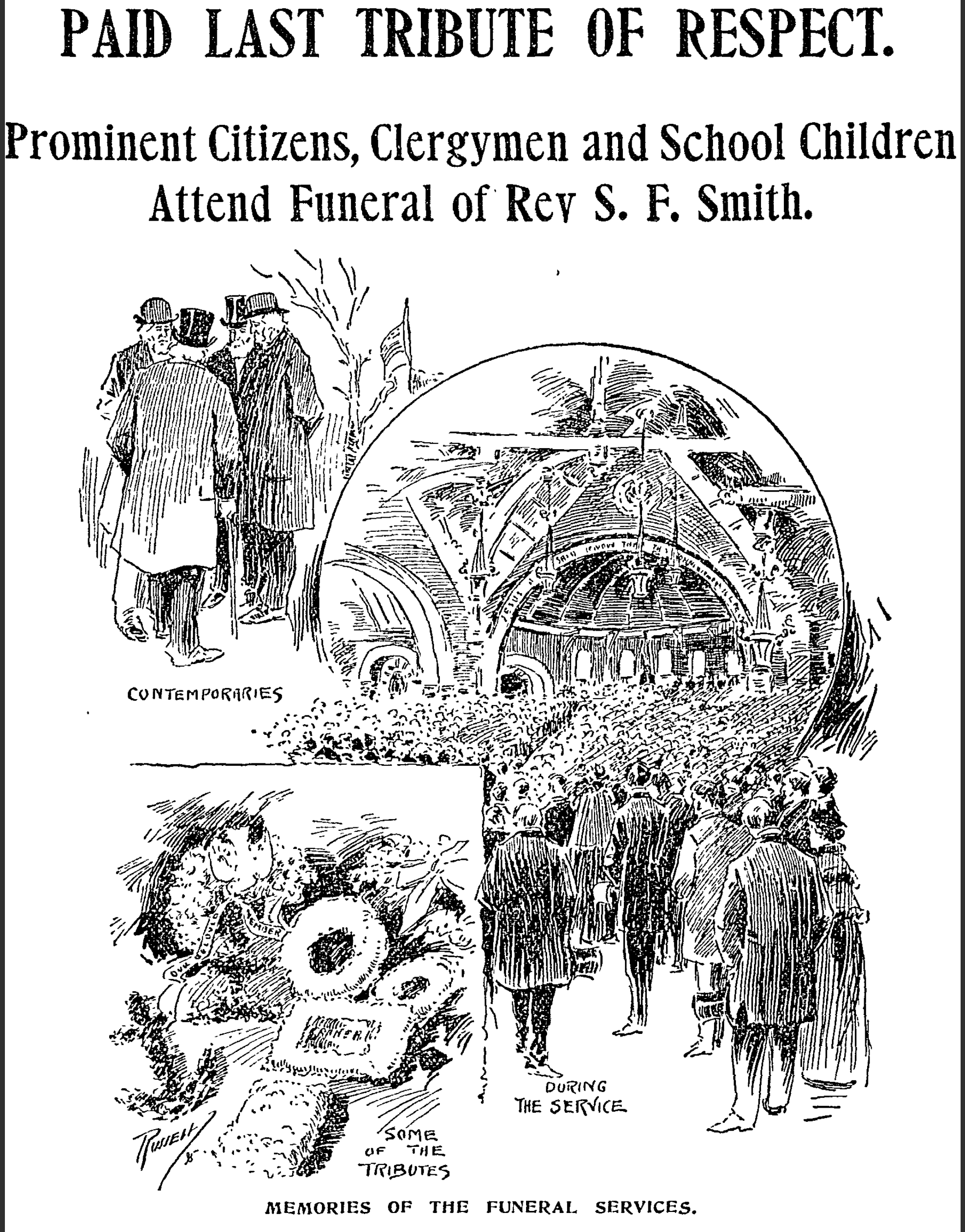
This unique drawing of the interior of the sanctuary of First Baptist Church Newton offers an “inside look” of the sanctuary and the throng attending Dr. Smith’s funeral on November 19th, 1895.
According to the Boston Globe, “All day long a Sabbath hush has pervaded Newton Centre and in honor of the memory of the dead poet, who for 50 years has been loved and respected by the entire community. All business was suspended until after the obsequies of Dr. S.F. Smith, the author of “America”.
The bell tower at First Baptist Church in Newton was given in memory of Reverend Smith. In 1932, on the 100th anniversary of the writing of "America," the tower was rededicated the "America" Tower.
Smith wrote over 150 other hymns, but none as famous as the song he composed at age 22. While a beloved pastor, he worked with a co-author to compile a Baptist Hymnal, “The Psalmist.”
Smith was inducted into the Songwriters Hall of Fame in 1970.